
Diabetic Eye Exams in Edison, NJ: Detecting Retinopathy and Macular Edema Early

Diabetes can affect many parts of the body, including the delicate blood vessels inside the eyes. Some diabetic eye diseases develop without noticeable symptoms at first, which makes routine diabetic eye exams especially important. At Edison Ophthalmology Associates, we provide thorough eye care to help patients with diabetes monitor their retinal health and identify concerning changes as early as possible.
How Diabetes Can Affect Your Eyes
High blood sugar levels can damage the small blood vessels that supply the retina, the light-sensitive tissue at the back of the eye. Over time, these vessels may leak, swell, or become blocked. This can lead to diabetic retinopathy, one of the most common diabetes-related eye conditions.
Diabetic macular edema can also develop when damaged blood vessels leak fluid into the macula, the central portion of the retina responsible for detailed vision. Swelling in this area can interfere with reading, driving, recognizing faces, and other everyday activities.
The Importance of Early Detection
Diabetic retinopathy may progress before a patient notices changes in vision. By the time symptoms such as blurred vision or dark spots appear, retinal damage may already be more advanced.
Regular diabetic eye exams allow us to look for subtle abnormalities before they begin significantly affecting vision. Detecting changes early gives patients and their healthcare providers more opportunities to manage diabetes-related eye complications and determine whether additional monitoring or treatment is needed.
Signs of Diabetic Eye Disease
Even if your vision seems normal, regular examinations are important. Contact an eye doctor promptly if you notice symptoms such as:
• Blurry or fluctuating vision
• New floaters or dark spots
• Difficulty seeing fine details
• Areas of missing or distorted vision
• Changes in color perception
• Sudden vision loss
Sudden or severe changes in vision should always receive prompt medical attention.
What Happens During a Diabetic Eye Exam?
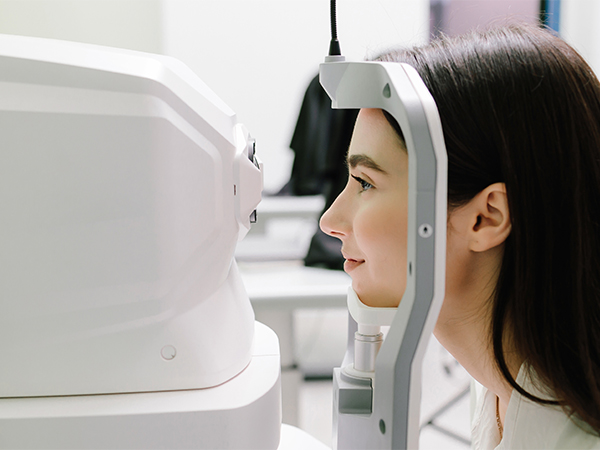
A diabetic eye exam is designed to evaluate more than visual sharpness. We carefully examine the structures inside the eye, with particular attention to the retina and macula.
Depending on your needs, diagnostic testing may be used to obtain detailed information about retinal health. These evaluations can help identify leaking blood vessels, retinal swelling, macular changes, or other signs associated with diabetic eye disease.
Your recommended exam schedule may depend on factors such as how long you have had diabetes, your current eye health, blood sugar control, pregnancy, and whether diabetic retinopathy has already been detected.
Protecting Your Vision With Ongoing Eye Care
Managing blood sugar, blood pressure, and cholesterol can play an important role in protecting eye health, but these steps do not replace regular retinal evaluations. Consistent diabetic eye exams help us monitor changes over time and respond when new concerns appear.
If you have diabetes, schedule your diabetic eye exam with Edison Ophthalmology Associates and take an important step toward protecting your long-term vision. Visit our office in Edison or Somerset, New Jersey. Call (908) 822-0070 or (732) 565-1500 to book an appointment today.


Edison Office
Phone: (908) 822-0070
Fax: (908) 822-0075
Office Hours:
- Monday 8:30am - 5:00pm
- Tuesday 8:30am - 5:30pm
- Wednesday 8:30am - 5:00pm
- Thursday 8:30am - 5:30pm
- Friday 8:30am - 5:00pm
- Saturday 8:15am - 12:30pm
- Sunday Closed
Somerset Office
Office Hours:
- Monday 8:00am - 5:00pm
- Tuesday 8:00am - 5:00pm
- Wednesday 8:00am - 5:00pm
- Thursday 8:00am - 5:00pm
- Friday 8:00am - 5:00pm
- Saturday Closed
- Sunday Closed
© 2026 Edison Ophthalmology. All rights Reserved. Accessibility Statement - Privacy Policy - Sitemap
Powered by:
